


Channel 5 has been lauded for its stable of dramas which have pedigree credentials at a lower price point.
Following the success of Power: The Downfall of Huw Edwards, it now has another high-profile true crime drama, Under Suspicion: Kate McCann.
Cutting corners can result in bad TV, most obviously in drama. And when you’re dealing with sensitive subjects you need to go above and beyond to ensure editorial excellence; as ITV found in 2007 when it had to pull its below-par infamous Marchioness disaster drama.
However Under Suspicion, made by Orchard Studios, has successfully balanced budget constraints with compelling storytelling.
But how do you produce sensitive factual drama on a lower tariff, without compromising the on-screen outcome?
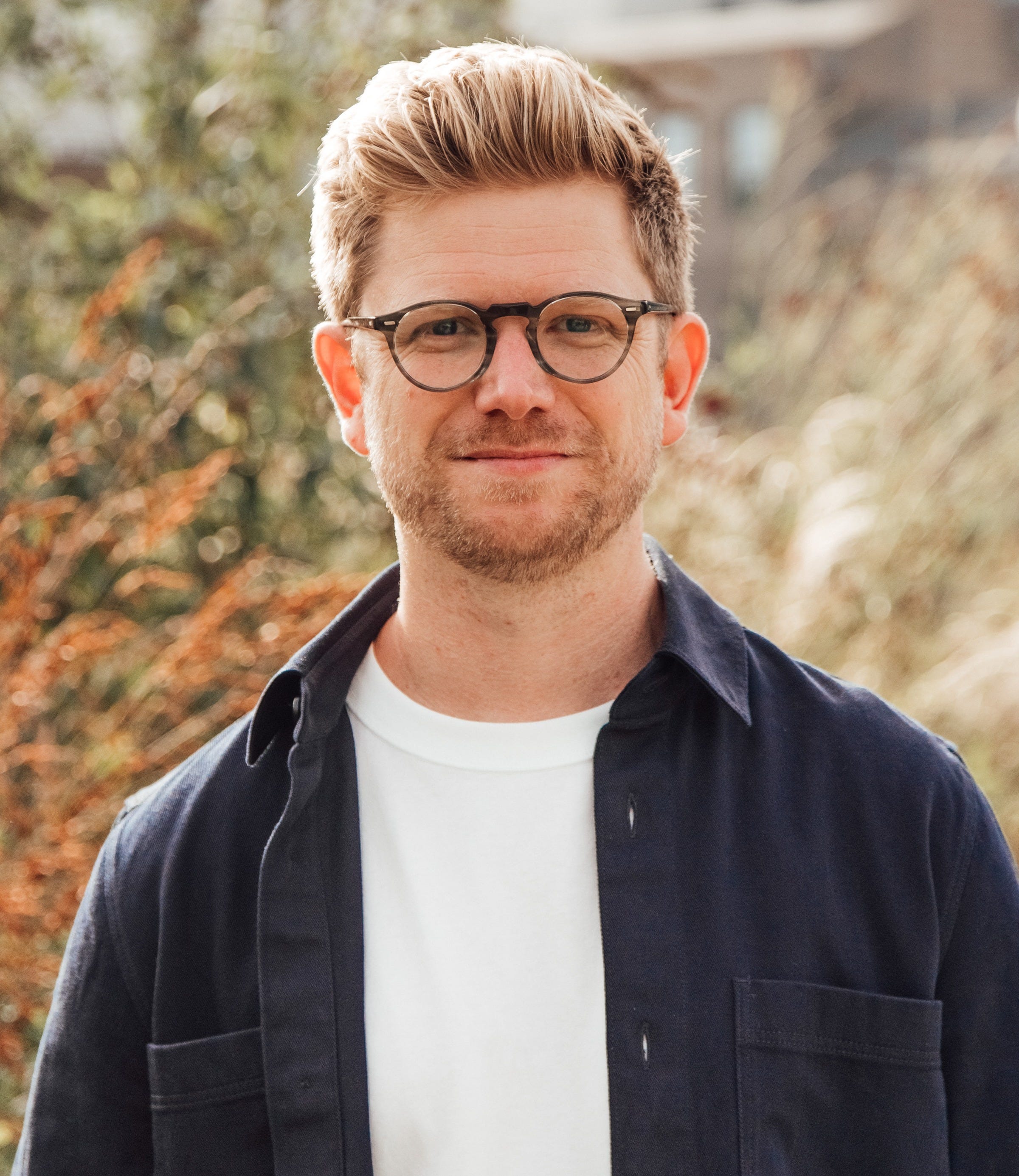
This week, Orchard Studios head of programmes Nat Lippiett tells us how.
So read on to find out:
How budget limitations can lead to creative solutions
Upskilling and training can actually save money
How to navigate true crime drama’s legal, ethical and duty of care protocols
Securing international distribution advances
Subscribe for the full story.

Budget limitations can be creative
Traditionally, drama-documentary hybrids run the risk of looking cheap if resources are stretched too thin across timelines and numerous locations.
The key is to decide what not to do.
Orchard Studios head of programmes Nat Lippiett argued that the solution is to go for a focused, contained narrative rather than trying to film an entire case.
“We didn’t want the budget to dictate the quality or the editorial integrity of the piece, but we knew we had a limited budget, so it does sharpen the mind.”
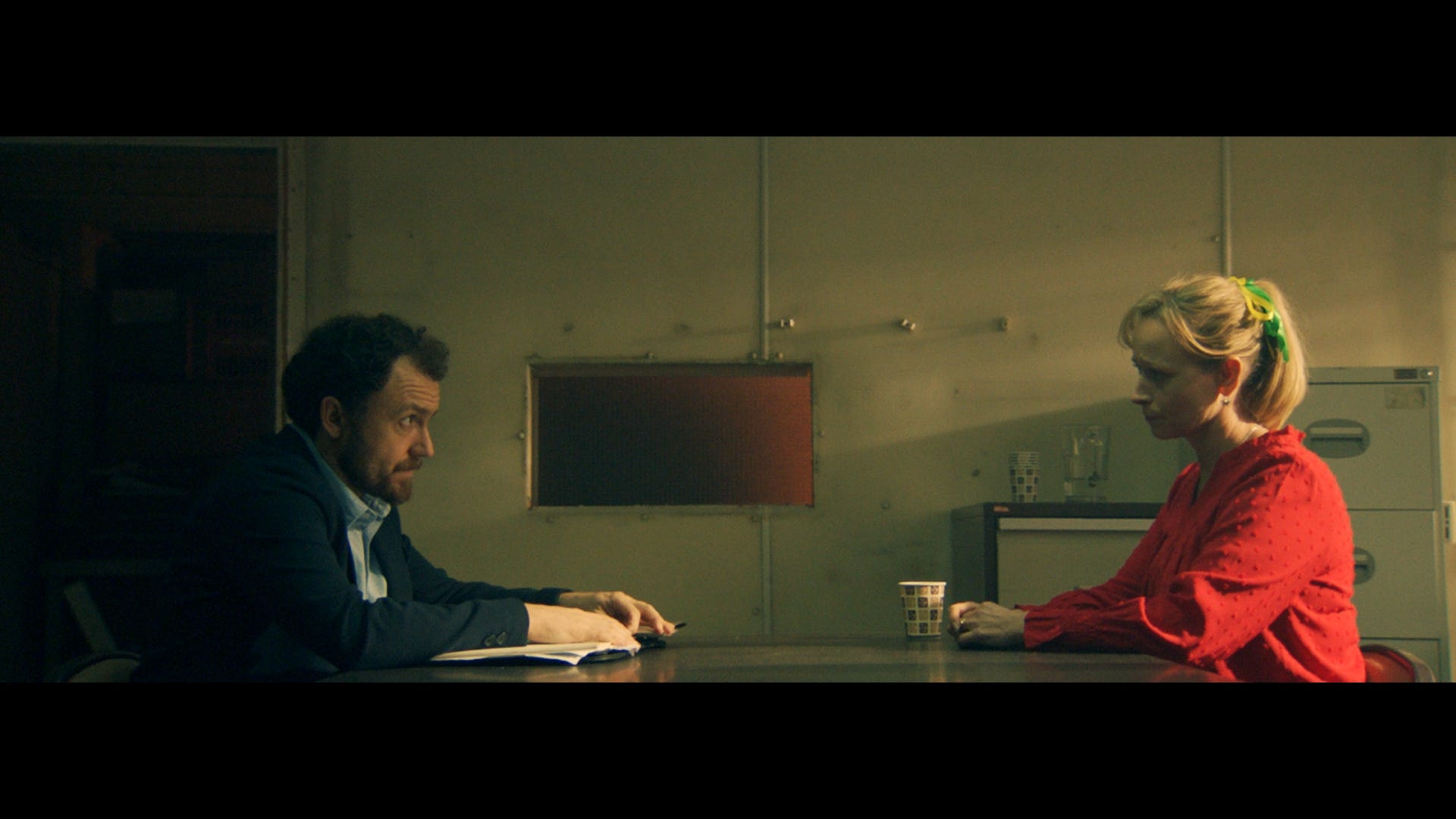
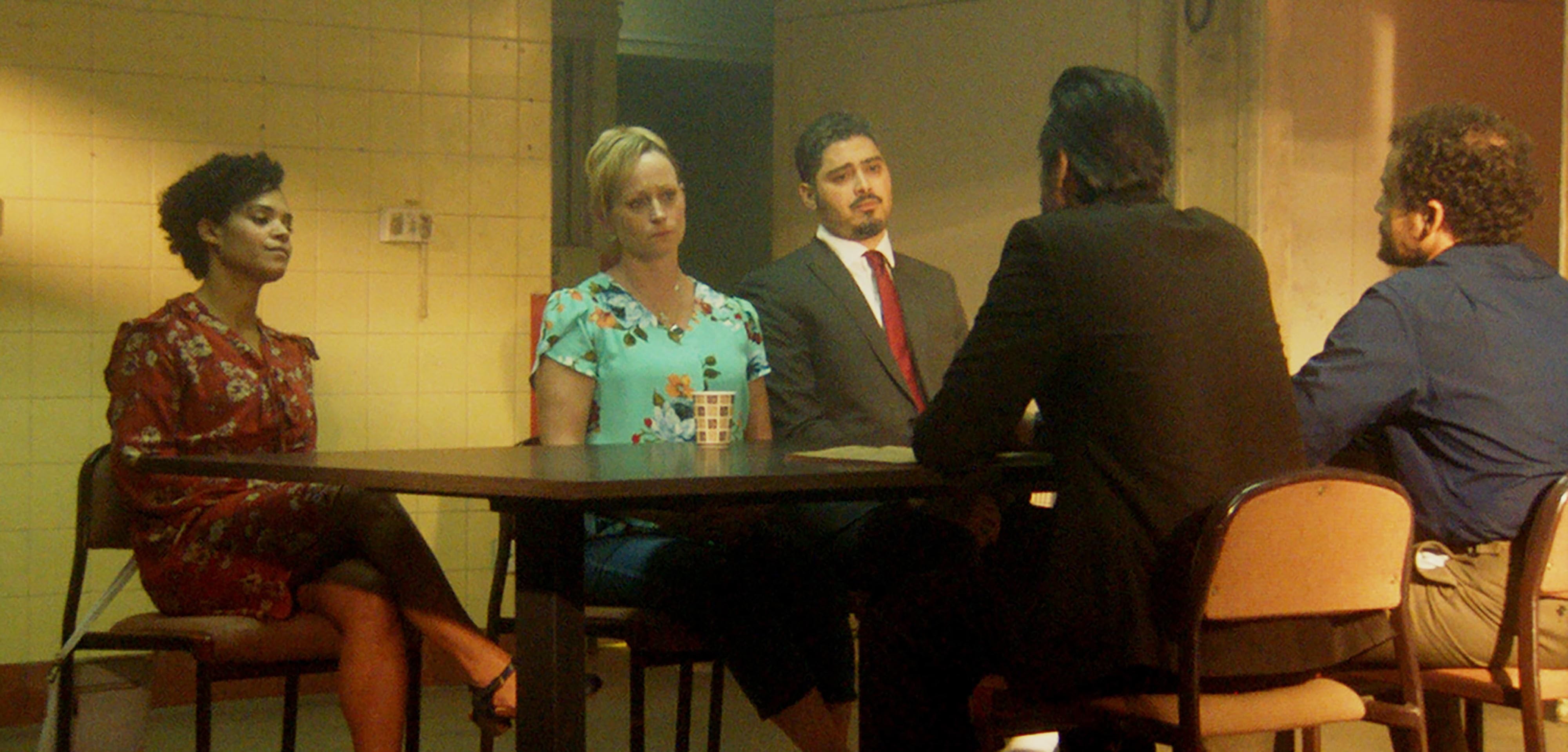
He explained the solution was to stick to the 48 hours during which the McCanns became suspects and the claustrophobic interrogation room it happened in.
The question the team asked itself was: “How do we make a very contained [show] and… hone the narrative so much that we don’t have to compromise on the quality of the actors, the quality of the talent behind the camera, the duty of care and the journalistic integrity of the piece?”
“The issue is that you can’t really do drama, particularly with dialogue, half-cocked,” Lippiett explained. “You’ve got to go all in, because otherwise it’s very easy to be quite bad.”
Anchoring the action mostly inside one, highly emotional environment, helped maintain production values.
Lippiett thinks this approach breathes new life into well-known cases: “You’re always looking for a reason to tell a particular story... [you] learn something new by doing it this way.”
“This lesser-known moment has been somewhat lost in speculation and narrative. So we revisited that material and felt there was a really important story to be told that not only told the context around some of the misunderstood moments of this case but brought out the humanity and emotion of it.”
The idea for Under Suspicion came out of a conversation Orchard had with 5 commissioning editor Dan Louw about “contained dramas and the idea of the interrogation room” with its twists and turns within “a claustrophobic space.” That drama is documented by police records, providing good source material.
But they did not think it should be a documentary as, “there’s more purpose to it if we’re able to treat it as a drama.”
“[So] we made a conscious decision to make something contained, small crew-type focus [with] an intimate approach…It was a deliberate, creative choice that we felt strengthened the premise.”
Takeaways: tight constraints sharpen creative problem-solving; single-location settings save on budget and heighten narrative tension; using a different genre can bring a new dimension to a case

Upskilling talent on set
Orchard Studios used the production as an internal training pipeline, moving some of their unscripted workforce into scripted.
Lippiett explained that a dedicated, nimble crew allowed the production to remain intimate, whilst giving people a chance to expand their skills.
“We have training pathways on all our productions at Orchard Studios, so we made sure that people had opportunities that perhaps they wouldn’t have had before,” Lippiett noted.
He highlighted what can happen when teams pivot to new areas: “The researcher at Orchard became involved in wardrobe and became invaluable on set. We kind of looked on it as an opportunity to allow documentary talent to flex their drama muscles, get drama experience and give them the creative freedom.”
There was a high creative bar set by director Paula Wittig and director of photography, Jim Incledon - who has shot drama and docs - and the small team “felt strongly about this story, this script, and the purpose of this production. So people went above and beyond. Everybody worked very, very hard” and “we stretched the budget as far as we possibly could”, observed Lippiett.
Takeaways: a smaller crew can be an upskilling opportunity; a tight, dedicated team can create a faster, more intimate shooting environment
Navigating duty of care and compliance
When dealing with high-profile, real-life cases, factual accuracy is vital.
Orchard Studios’ production relied on verbatim writing techniques and using established public records as sources to ensure the script remained as true to the facts as possible.
Lippiett pointed out that the writer, Philip Ralph, has a history of verbatim drama docs, such as Walking Wounded and Einstein and the Bomb.
“We relied on the available material and the testimony of the direct people involved,” Lippiett said. “We wanted to stay true to the spirit of the material.”
When it came to managing the sensitive nature of the case and handling duty of care towards the McCanns, the production team dealt with a long-term associate of the family.
Lippiett explained: “They’re not involved editorially, but we worked with a trusted associate who knows the family very well to keep them informed at the scripting stage.” That person also watched the final film and informed the McCanns of details such as the TX date.
Takeaways: hiring experienced factual writers minimises legal and compliance risks; sticking to public records helps journalistic integrity; use a trusted intermediary to keep subjects informed without compromising editorial independence
Securing international distribution
Because the subject matter has a lot of international interest, Orchard Studios was able to get a distribution advance to help ensure as much money went on screen as possible.
“We secured an international distributor who will take the film out internationally in order to kind of help fund the production,” Lippiett added.
He does not yet know what sales are like but acknowledged that the idea of “a victim who becomes a suspect” within just a couple of days is a “compelling” strand.
In fact, also for 5, Orchard is making a drama called Suspect: The Road Rage Killer about Tracie Andrews, who murdered her fiancé Lee Harvey in 1996, but initially claimed he had been killed by a man in a road rage incident.
Takeaways: speak to international distributors early to unlock advance funding; there is usually an appetite for globally-recognised true crime dramas
