



At this month’s Seriencamp TV conference in Cologne, Germany, media consultancy Bolytics revealed that of the $18 billion market for microdramas, $14 billion sits within China, while $4 billion is spread across the rest of the world.
The data reflects the outsize influence China currently has in the microdrama space, but it also hints at the vast runway for growth in other markets. Companies such as Germany’s Red Pony are keen to demonstrate that the future of the medium is “regionally-driven”: China leans into AI and scale; the U.S. is all about platforms and creators; India is mobile-first; and European countries and Japan focus on premium storytelling.
Red Pony, a new digital label set up earlier this year by the Bavaria Film and MDR Media-owned Saxonia Media, is trying to crack what a successful European microdrama format looks like.
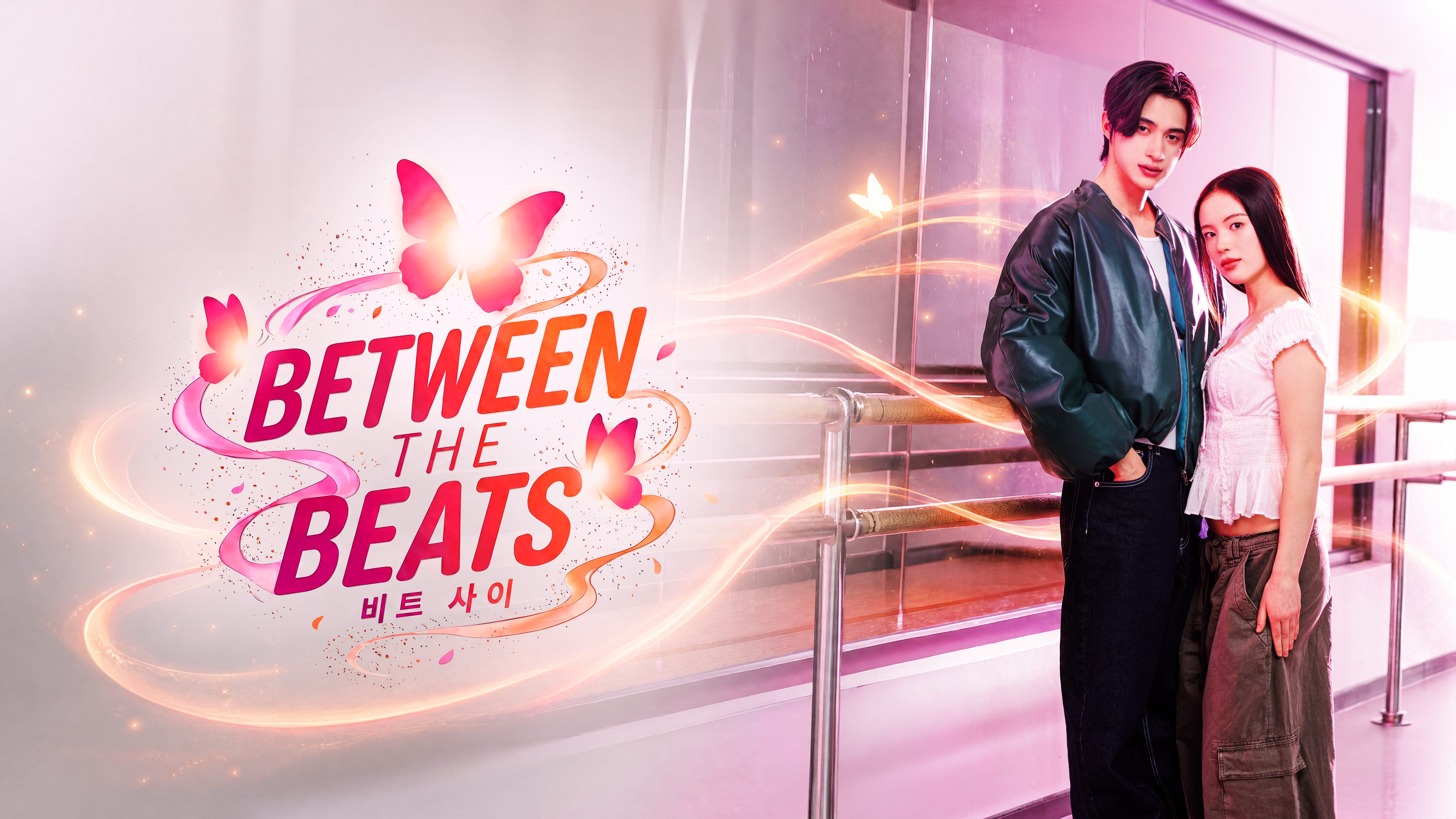
At Seriencamp, head of Red Pony, Gregor Sauter and strategy, content & tech lead Beliban zu Stolberg unveiled two titles, Ghostwriter and Between the Beats, which is the first vertical drama from a German public broadcaster. Each employs different production methods, but they convey the potential in the market, along with a new ‘social cinema’ model that swaps some microdramas’ misogynistic storylines for more equitable narratives.
Commissioned by public broadcasters Radio Bremen and Saarländischer Rundfunk (SR), Between the Beats is more vertical drama than microdrama; meaning it feels like a scripted series that has been split into a 26 x 2-minute vertical format. Ghostwriter, meanwhile, was developed by testing potential storylines and hooks and was data-driven from the beginning, making it more of a traditional microdrama.
“There’s a lot we can learn from the fact that this is such a huge market and that there is a demand for that,” says Zu Stolberg. “We want to do it in a premium way and to have higher-quality storytelling and production values. But I don’t think we’re looking down on microdramas. Maybe the dramaturgy of the stories are a bit simpler than the high-quality serial content from Europe [we’re used to], but the creativity is still there.”
This week, The Indie Hustle catches up with Zu Stolberg and Sauter to detail their model of elevated storytelling and the secret ingredients every microdrama needs to have.
Read on to find out:
Why microdrama producers need to think about distribution and audience testing from the very beginning
How K-pop vertical drama Between the Beats could open the doors for broadcasters experimenting in the space
Why microdrama storylines need to align with the culture and values of the local market
How “social cinema” turns microdrama’s stereotypes and tropes on their head
How a hybrid AI model can help to elevate a microdrama’s story hooks

Think of distribution first
Saxonia Media, best known for long-running teen soaps and medical dramas in Germany, set up its Red Pony label in February as an incubator for new ways of storytelling, alongside strategic IP-building and creator-driven entertainment.
The label’s microdrama drive is not all that different from Saxonia’s core soaps and telenovelas, which also employ episodic hooks. But microdramas hold particular interest, says Sauter, because “you can get in contact with the audience, test the content at a really early stage and build your storytelling strategy on top of it.”
Both Sauter and Zu Stolberg underline the importance of thinking carefully about how a format is going to be distributed from the get-go, in the development process. Will it be on TikTok? Instagram? A bespoke microdrama app? And how can you connect with your target audience as early as possible?
“You have to think about distribution early on - straight from the beginning - which is a reversal of the more traditional stages in filmmaking that you usually have, where at the end you have a product and you’re not even sure if people like it, and then you test it with audiences, even though it’s already done,” says Zu Stolberg.
What microdramas are revolutionising, she adds, is that distribution is considered from the beginning and ideas are tested early “to get some signals from the market on how things might perform.”
Takeaways: think about distribution early on and test your concept in the market
A tale of two vertical dramas
In the case of Between the Beats, public broadcasters Radio Bremen and SR approached Red Pony with “a specific idea of how they want to reach new audiences on TikTok,” explains Sauter.
The idea for the show - a slick, music-infused Romeo and Juliet-style love story set in the worlds of ballet and K-pop - was to develop an “IP-building concept.” The company hired a Korean showrunner and writer to build out the story, with the longer-term goal of “building a brand for K-pop.”
Between the Beats is “made in the dynamic of a vertical drama in that it has cliff mechanics to hook people,” says Sauter, “but compared to a microdrama, it’s slightly slower [because of] dance scenes and there’s a bit more time for the characters.”
All eyes are on Between the Beats, which launches on TikTok on June 25, as it’s the first attempt at a vertical drama by a public broadcaster in Germany. If it breaks through it could forge a way forward for more broadcasters trying to reach younger audiences using vertical scripted series.
But Sauter advises that there are “different legal implications” for what a public broadcaster can commission compared with a commercial broadcaster. “What is the goal of the broadcaster? Is it targeting new audiences, or is it taking existing IP and extending it with a spin-off? There are dozens of possibilities, and it always starts with the strategy and the distribution infrastructure.”
Takeaways: Between the Beats could help more broadcasters step into vertical storytelling; different legalities for a PSB versus a commercial broadcaster

Introducing ‘social cinema’
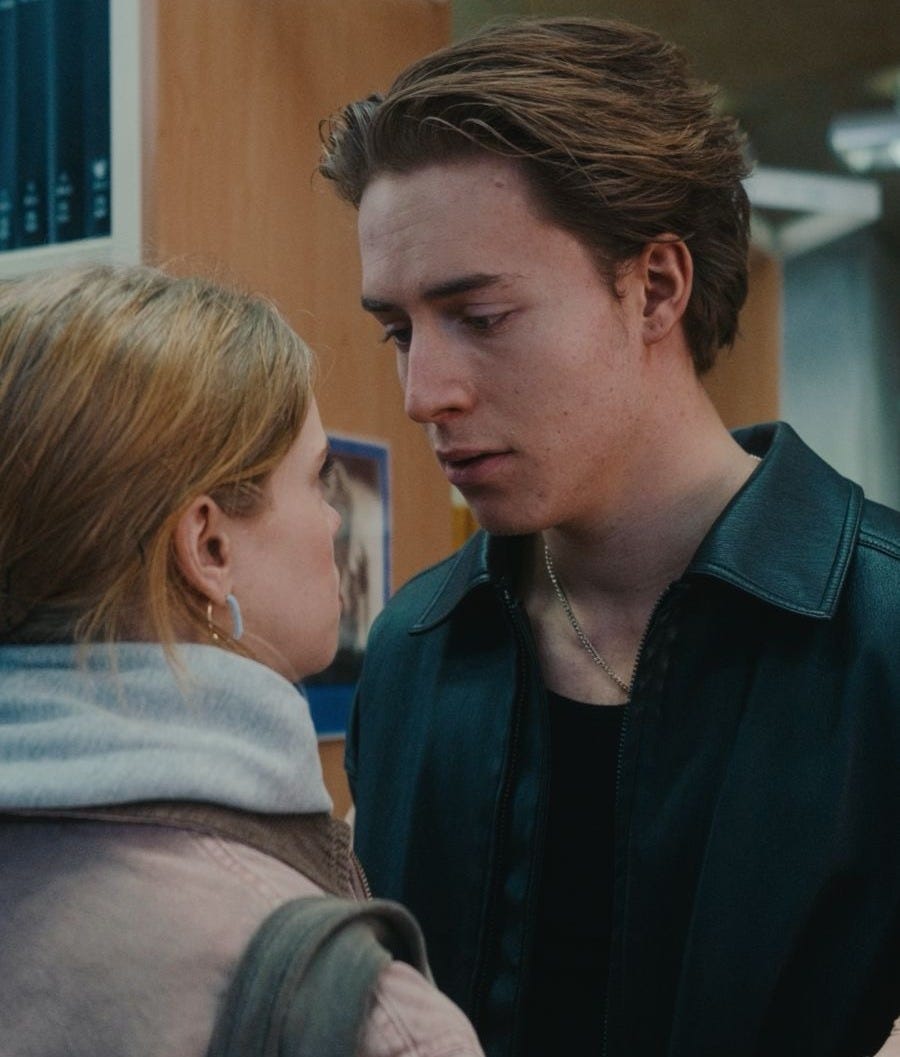
In contrast, the development of Ghostwriter - which follows a young writer at a private school who surreptitiously pens essays for rich students to keep her comatose mother in hospital - followed a more traditional microdrama track.
Red Pony tested five or six different storylines using a new German microdrama app called Badaboom, which is backed by AI microdrama studio Deep Sauce Labs.
“We got data from them, and we tested specific arenas,” explains Sauter. “It was really data-driven.”
But Ghostwriter also “tried to elevate the microdrama,” explains Zu Stolberg. “There were certain beats that we tried to transcend in terms of genre.”
Microdramas use specific beats to hook viewers, and keep them paying for the subsequent chapters of a story. Just as CEO-based and illicit affair stories are common within the medium, shows also tend to feature some kind of a slap, for example, as a way of adding instant drama.
“We realised there are certain beats you have to hit, but then we ran into this problem of wanting to keep certain values and perspectives, such as having the female protagonist have her own agency and not being put down and humiliated by men, which is a common trope in the microdrama genre,” says Zu Stolberg.
“We thought, ‘How can we keep these beats that people expect and which drive the narrative, but reverse them, or tilt them a bit in a different narrative direction?’”
The team has labelled their method of turning microdrama-specific stereotypes and tropes on their head “social cinema.”
“It’s taking those learnings from microdrama and applying them in a way that we can stand behind,” explains Sauter.
When testing the Ghostwriter storylines, the traditional story arcs “had slightly better numbers,” adds the exec, but because they didn’t align with the producer’s values, “We took the second-best data from the second-highest ranking show in our data tests,” he says.
“This is what makes us a bit different from a 100% tech company from the U.S. or Holywater in Ukraine or a company from China,” says Sauter. “They only care about data. We try to find the thing in between that makes it social cinema.”
Takeaways: Ghostwriter was created with extensive testing; Red Pony actively decided not to use misogynistic storylines even though they tested well
Leaning into AI
On Ghostwriter, Red Pony also used a hybrid AI model. The tech was never used for writing, but where it did come in handy was in testing the effectiveness of the story’s hooks.
“We try to bring all the KPIs of the project together, so we figured out some different directions we could go in the beginning and did some simulations of, ‘If we go this way, then this will happen,’” says Sauter. “We saved a lot of time.”
The team also used AI for stunt work in one scene, and to add details to a specific close-up shot — a revelation that Sauter describes as “a great learning.”
Red Pony is no stranger to taking AI even further on productions. The outfit’s next film, Zimmermädchen (The Chambermaid), is a 100% AI-produced microdrama. Zu Stolberg describes the series as a “female underdog story.” While Ghostwriter only used AI where it made sense, Zu Stolberg acknowledges the enduring stigma around using the tech and advises producers “not to be scared of it.”
“There’s this kind of hesitation for a lot of production companies to even try it, but I think it really elevated the look,” she says.
Takeaways: AI was used to test story hooks and save time in development
