


True crime and prestige docs have gone through a transformation over the past few years.
The appetite from streamers for crime has increased due to the stories crossing borders as they often involve high-stakes narratives and primal, universal aspects of human nature that chime with all audiences.
Meanwhile, premium films that bring a new dimension to popular subjects are also in demand.
True indie Sandpaper Films has carved out a niche as an indie that does both; bringing access and a new angle to cases and people that have gripped the public’s attention.
They include titles such as the forthcoming series about the two trials of Karen Read - following which she was acquitted of the second-degree murder and motor vehicle manslaughter of her boyfriend John O’Keefe - or with global subjects that the public are curious about, such as Taylor Swift in feature documentary Taylor.
Founded in 2020 by award-winning executive producers Henry Singer and Susannah Price, Sandpaper is renowned for covering complex court cases and negotiating difficult subjects, such as the case involving the death of Jason Corbett in A Deadly American Marriage for Netflix.
But how do you finance and cashflow projects with such a long gestation time? And how can you find topics that appeal to the global streamers?
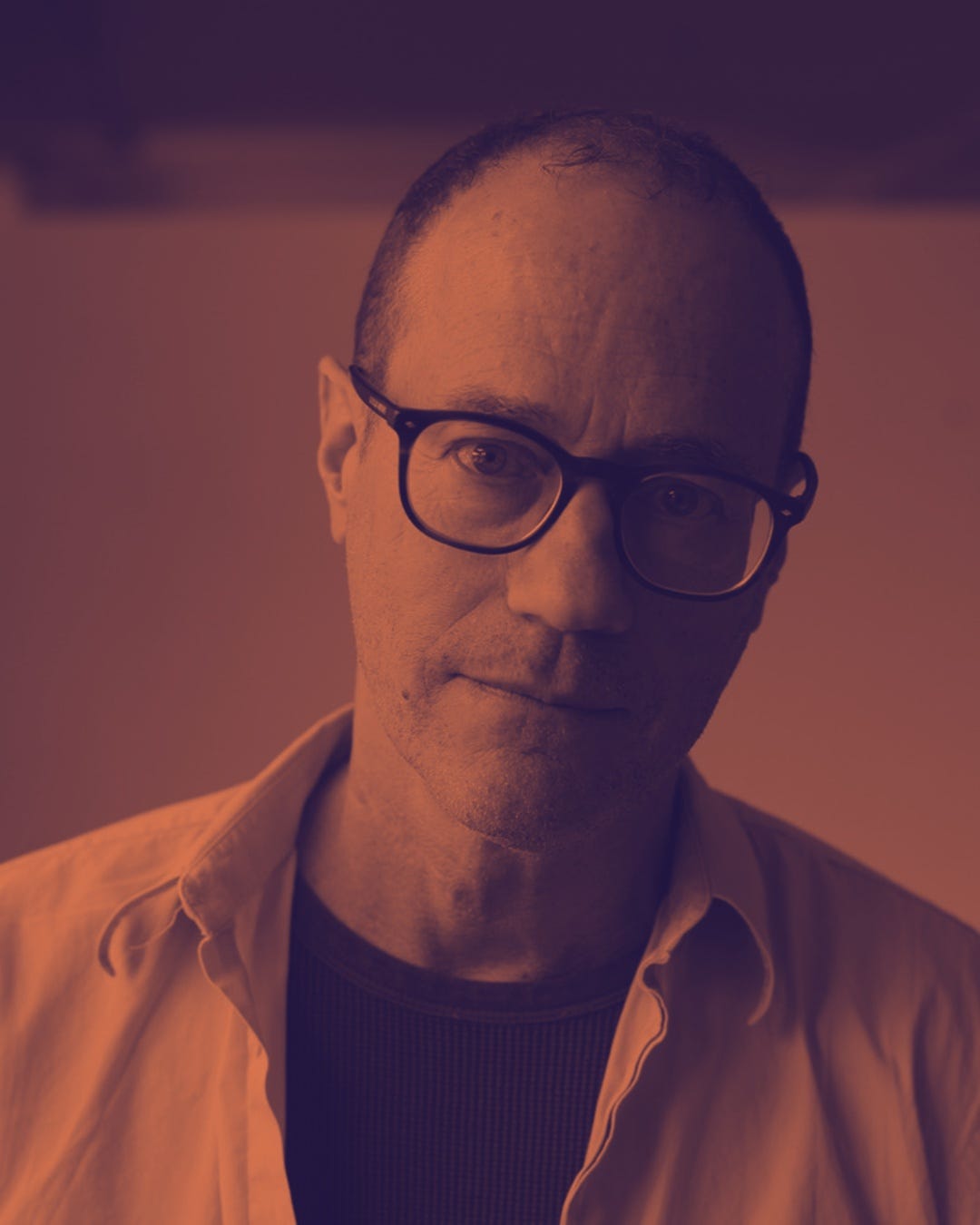
For The Indie Hustle, Singer - whose credits include acclaimed docs such as 9/11: The Falling Man, Baby P: The Untold Story and The Trial of Ratko Mladić - discusses the future of Sandpaper and lays out his and Price’s roadmap for growth.
So read on to discover:
How to navigate the economics of complicated premium docs
Going beyond the ‘ripped from the headlines’ films
Sandpaper’s expansion blueprint
Funding sources for passion projects

Today’s economics for premium docs
To state the obvious, investigative projects require careful financial juggling and supportive relationships with streamers and broadcasters.
Budgets can overrun when you’re covering long-running court cases that are complex and get delayed.
One of Sandpaper’s commissions from Channel 4 is Nine O’Clock Service, which follows allegations of abuse involving a dance and club music youth movement in 1980s/90s Sheffield and the Church of England, and which can’t be released until the conclusion of ongoing criminal proceedings.
“We seem to gravitate towards films and series that end up having appeals and retrials,” says Sandpaper’s co-founder Henry Singer, pointing out that Netflix show A Deadly American Marriage took three and a half years to make.
The trust levels built up with Netflix have helped during the making of the Karen Read series in the US, which is not quite yet delivered but will hopefully air later this year, and has taken more than three years to make.
It is “an incredibly strong story” that occurred in Massachusetts near where Singer grew up and was brought to the company “by a young filmmaker that wanted to work with us, who had had quite a lot of access already”. But it required a great deal of sensitivity, particularly as the case became more high-profile due to Read’s supporters on social media.
Netflix has been, “really good and really supportive”, giving “very good and very clear notes” and “we’re really proud of it..it has the sort of Sandpaper DNA in it, which is through the storytelling… it’s very layered and provokes some significant questions.”
“Trust is paramount,” agrees Singer, both with the contributors in his and his co-founder Susannah Price’s films and also with the broadcasters/streamers. Honest and collaborative relationships are key.
He acknowledges that “it’s hard to make the money work. We are lucky; we’ve got an incredible head of production and an incredible finance director and they manage to find a way of doing it.”
Also, “we have very supportive commissioners, because with this kind of work sometimes you go over budget and we have strong enough relationships whereby they always come in at the end and support us.”
With the inevitable knock-on effect on cashflow if a project is tied to an ongoing legal case, it’s vital to run a lean operation, particularly in the current financial climate.
Singer acknowledges that “it’s challenging” but “we run a tight ship and you have to. There’s a certain amount of financial juggling…but we have weekly meetings about it.”
“We had a couple of squeaky bum moments when we first started and it’s always a challenge but that’s standard for any fully independent company.”
He points out the industry has “changed a lot” since Sandpaper was founded six years ago and particularly so within the last six months.
However, “we’re sort of used to adversity because we go after projects that are difficult and that are difficult to get off the ground.”
Takeaways: run a tight core team; cultivate strong relationships with commissioners to navigate budget overruns; have weekly meetings about finances
Beyond the ‘ripped from the headlines’ docs
Within genres, find your niche, advises Singer.
True crime and pop-culture documentary genres are saturated with quick-turnaround shows but Sandpaper’s strategy is to look beyond the headlines and add something new, such as examining the broader societal issues around the subject.
As it did with its docs Doom Scroll: Andrew Tate & The Dark Side of the Internet and Groomed: The Truth Behind the Lie, both for Sky.
In the latter complex case about a grooming gang in Barrow, Singer points out it took over three years to make but Sky “was incredibly supportive, hanging in there with us, keeping the development going.”
He says that in the development world, it’s often said that “what people are all looking for is ‘ripped from the headlines’” programmes.
Whilst many of those kinds of true crime shows are “well made”, the genre is important and can generate deeper films as “it’s in the extremes that you really learn something about human nature”.
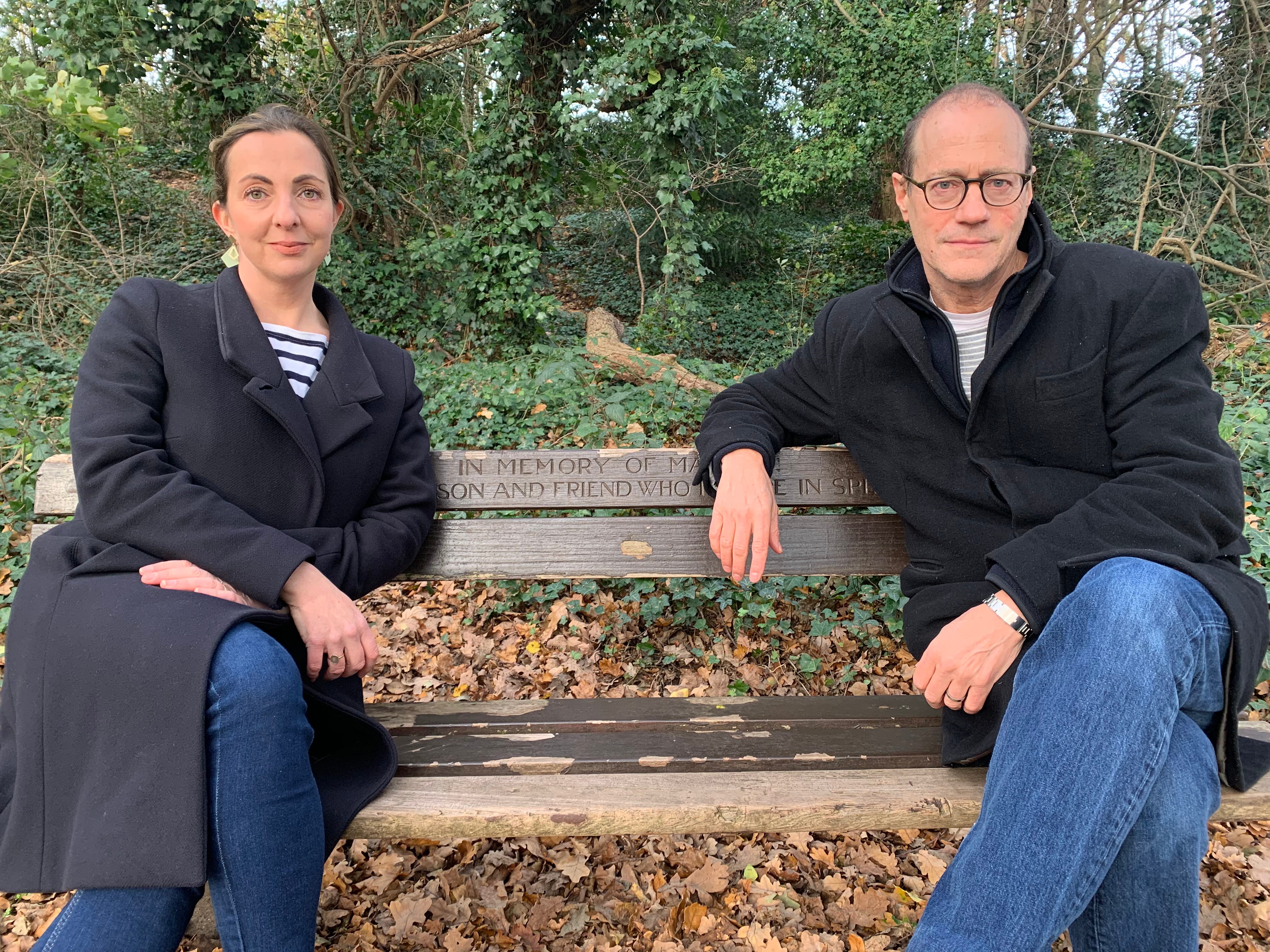
So he and Price, who he is keen to point out deserves equal credit for Sandpaper’s success, “look beyond a headline and try to excavate a little more deeply.”
This analytical depth often stands it in good stead with access to contributors, some of whom have had Sandpaper recommended to them due to its track record.
“I think they feel the integrity in the work. Anybody can write a good email, anybody can come across really well in a meeting, but [we say] watch some of our work because that’s the best way to judge a company and a filmmaker.”
One of Sandpaper’s upcoming transmissions is the case of 19-year-old Royal Artillery Gunner Jaysley Beck in Stacey Dooley: Death in the Barracks for BBC3. Due to air this autumn, it is still being edited and has unprecedented access to Beck’s family, friends and former Army colleagues.
Ongoing proceedings make it difficult for Singer to say much but he says it asks broader questions too, such as what’s it like to be a woman in the military.
Takeaways: think how you can elevate popular subjects; build a distinct editorial brand for your company; maintain integrity as it’s your calling card to future participants
Expansion blueprint
With UK public service broadcaster budgets tightening, many are looking beyond traditional domestic commissions in order to build sustainable revenue pipelines, particularly in the US as so many streamers and broadcasters are ultimately owned by American companies.
Although Singer and Price enjoy working with UK outlets they want Sandpaper to grow, so they’re actively looking to expand the company’s footprint in the US.
Singer explains that what’s happening “to the BBC budgetarily and to Channel 4 is for me and for most of the industry… worrisome and sad because they’re extraordinary broadcasters”.
So to mitigate the cuts, “co-productions is obviously one route,” and he explains the pair are planning a trip to America where “we want to go meet the Hulus, Amazon US and Peacock.”
“We really want to work with some other American streamers...taking our brand, if I can call it that... and internationalising or maybe Americanising it. Because a lot of the work now is [with] the streamers who are sort of American-based largely. I hear wonderful things about working with Hulu, for example. I’m just hoping our reputation over here will carry over there.”
Like others, Sandpaper is also looking at diversifying and increasing its revenue streams with branded and short-form content.
“You’ve got to have a mixed portfolio…We are thinking about digital and short-form. That excites me. I love the idea of…working with young filmmakers who can shoot a short-form doc on their iPhones…As much as the business has changed, it’s also opening doors of opportunity.”
He says that when he and Price started the company, “this shows how naive I was: I thought, you start a company, you start execing [and] a lot of your life is spent having long lunches with authors of books and meeting people for cocktails at fancy hotels.”
“You have so little time when you exec and you run a company. It’s ridiculous. So that hasn’t happened,” he laughs.
But he acknowledges that is partly because, “we take on ambitious work”. They chose Sandpaper as a name “because we want our work to always have a bit of a rub, a little bit of an edge to it and it to be sort of beautifully made; seamless and sanded - showing the best of the craft. And so that takes a lot of time.”
Takeaways: explore co-productions with US streamers; diversify your portfolio; there is opportunity in the changes to the industry

Funding sources for passion projects
Another long-running enterprise of Sandpaper’s is the participatory climate change film My Planet Now.
The ground-breaking project began four years ago and asked for people to upload their experiences of how the breakdown is affecting them via a specially-created portal.
Singer explains, “naively I thought this would be an easy film to finance” due to concerns over the planet’s future.
However, My Planet Now required piecing together a jigsaw puzzle of funding from pre-sales and other sources.
“We’ve got some broadcasters on board who have pre-bought it, including the BBC,” says Singer, plus there is “soft money” from three foundations.
A complex piece to edit, he says My Planet Now is “nearly done”. But “it’s an example of how hard it is to do certain kinds of films in this environment. The last sort of labour of love I did was The Trial of Ratko Mladić and I remember saying to people, ‘I think I spent more time trying to raise finance than actually making the film!’”.
The “biggest financier has been the Wellcome Trust” and Singer is appreciative that, “they’ve hung with us, they’ve been great” but there is still more to do as “we still have to raise some money for it.”
Though at times the project has been hard, Singer says it concludes that people can make a difference to the future of the climate and “you really need political power to make a difference…I think it’s going to be really good and I hope it makes a difference.”
Despite the challenges and time it takes to raise the money, Singer adds, “I want to continue to try to make, potentially, cinema docs with a soft funding route. We’re not naive about it. It’s really hard. But we want that to continue to be part of our portfolio.”
Takeaways: utilise grants from foundations for complex passion projects; explore other ‘soft money’ sources
Sponsorship? If your organisation would like to find out about sponsorship and advertising opportunities, email hello@theindiehustle.com
