

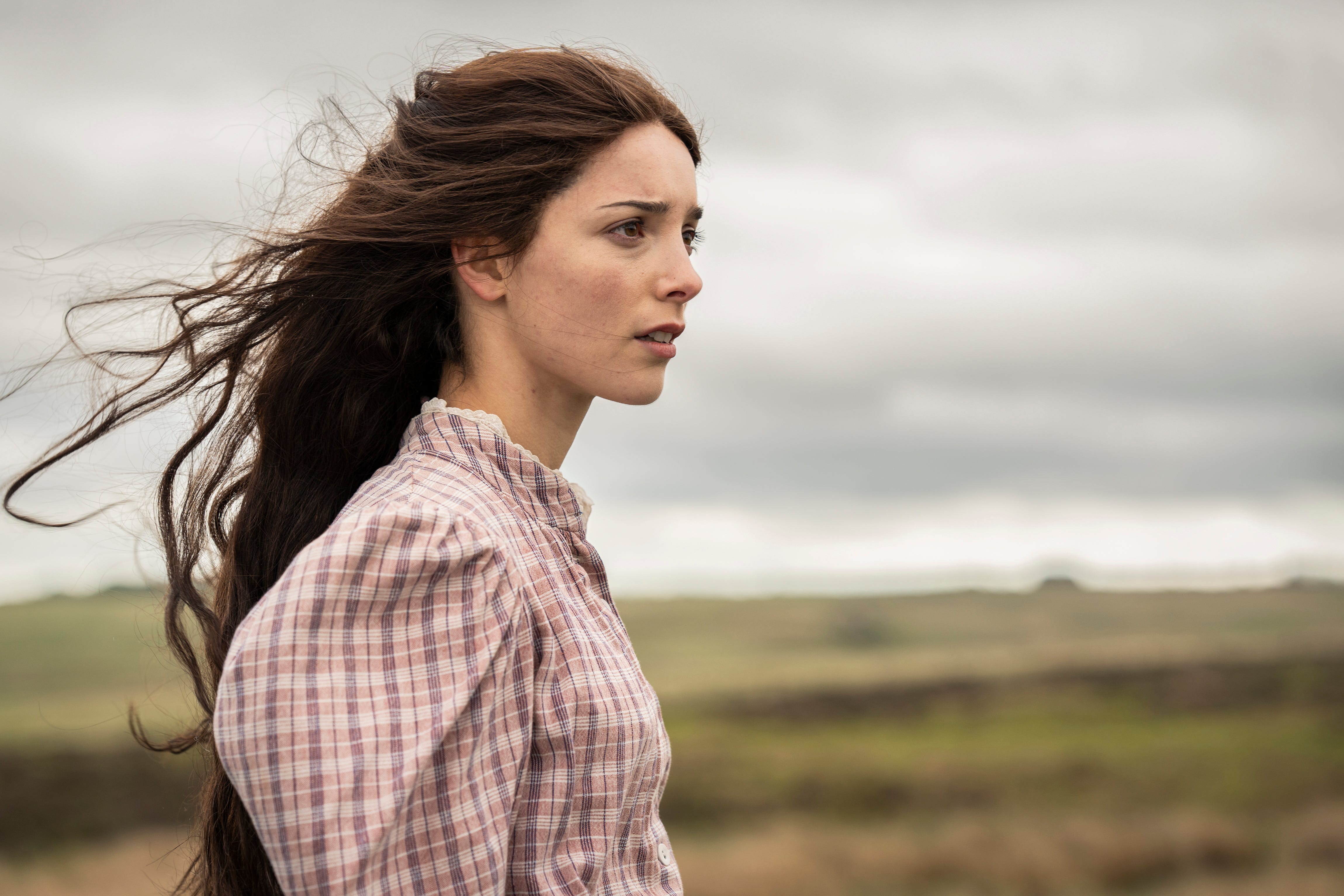
In a time where high-end period dramas have become challenging to produce in Britain due to soaring costs, Channel 4’s rags-to-riches series, A Woman of Substance is breaking the mould.
The Barbara Taylor Bradford novel was first adapted for Channel 4 in 1985, with its finale pulling in 13.8 million viewers, the broadcaster’s highest audience ever.
While that series squeezed the infamous novel into three parts, The Forge has again brought working-class heroine Emma Harte’s story to life for Channel 4, but this time over eight episodes. It’s a lengthy order that’s a rarity in today’s market, where terrestrial period fare is often limited to four or six parts. There’s also a premium sheen that makes it look far more lavish than it was to make.
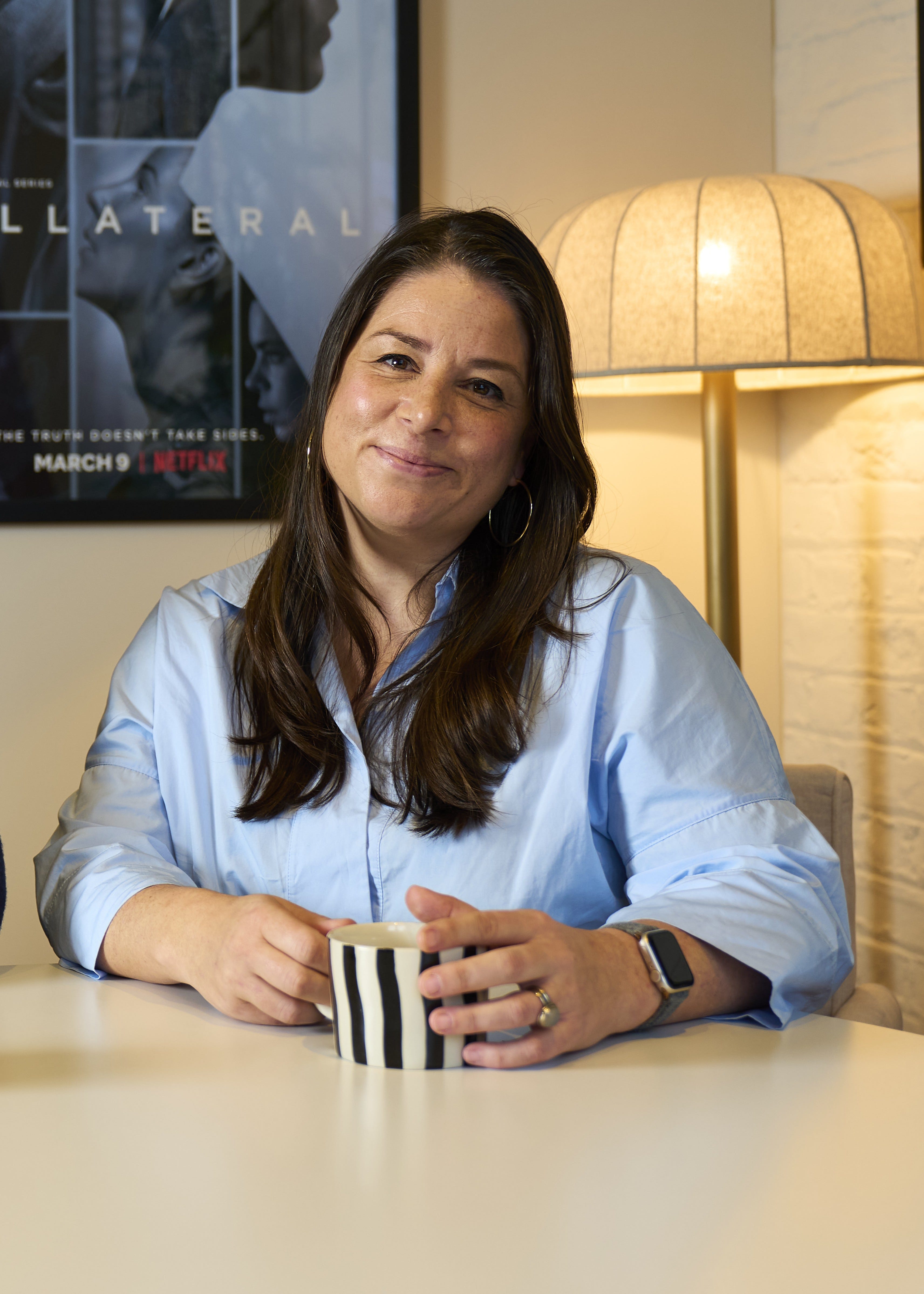
The Forge’s joint managing director Beth Willis has been immersed in period drama over the past six years, helping to shepherd the company’s glossy series The Buccaneers for Apple TV+ across three seasons. But A Woman of Substance didn’t have the same streaming budget to play with, and Willis and her team had to make terrestrial pounds go much further, bolstered by deficit financing from distributor Banijay Rights, which pre-sold the show to BritBox in the U.S.
So, how do you stretch a terrestrial budget across eight episodes of period fare in today’s market?
Read on to find out:
How to find stories with modern sensibilities within period book IP
Willis’ two “secret weapons” to making modest budgets go further
The one mistake producers make that becomes a money pit
Plans for future series of A Woman of Substance
Hiring? We feature paid job listings, to book a listing, email hello@theindiehustle.com
Sponsorship? If your organisation would like to find out about sponsorship and advertising opportunities, email hello@theindiehustle.com

Making ‘dusty’ period dramas feel modern
The first of a seven-book series, A Woman of Substance centers on Yorkshire-born Emma Harte (Jessica Reynolds), a maid at the grand Fairley Hall estate who strikes up an illicit romance with young Edwin Fairley. But when she falls pregnant, he casts her away and she’s forced to leave her family to make it on her own in Leeds as a seamstress. Emma vows to get revenge on the entire Fairley clan, and works her way up in the world.
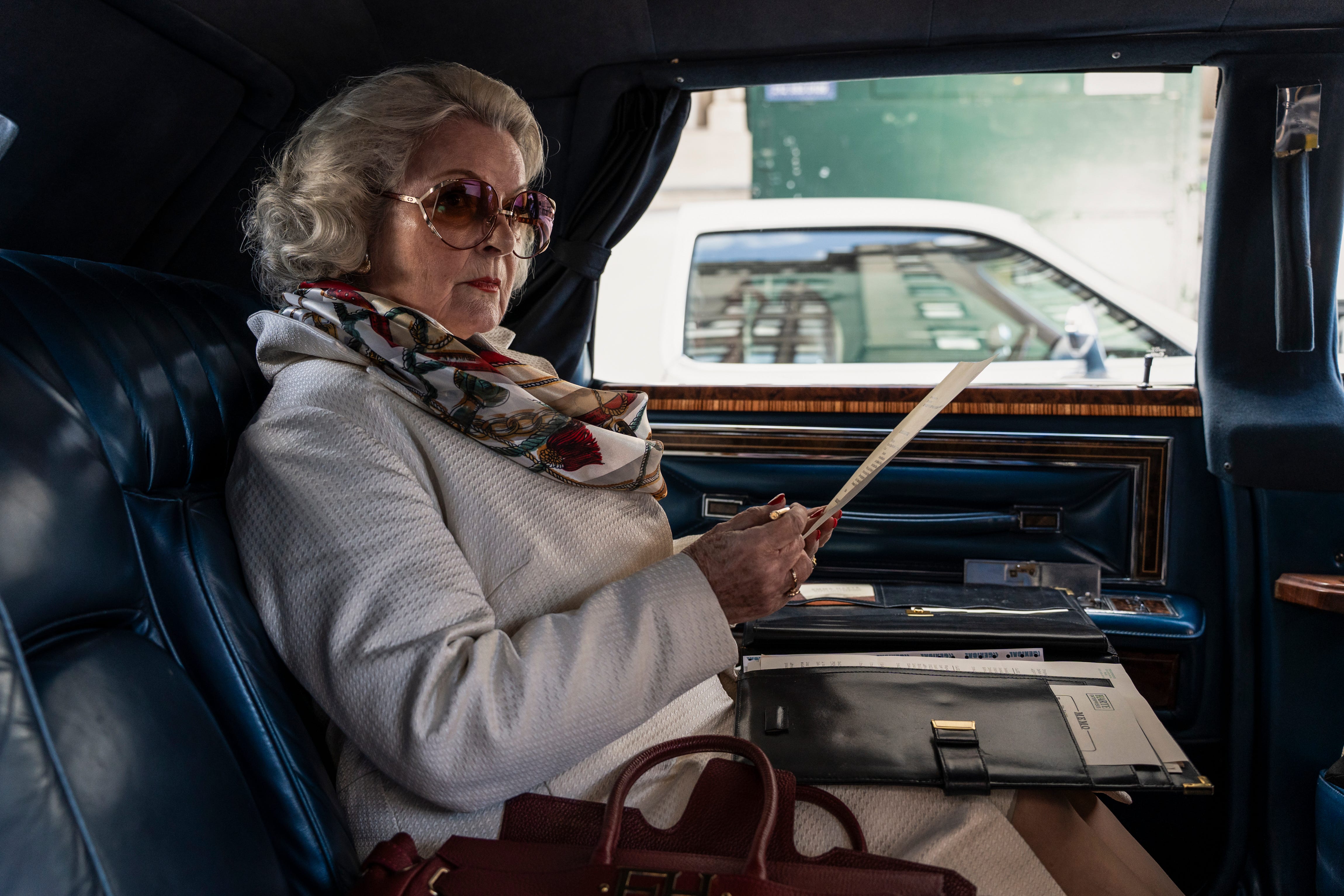
The show opens in New York City with an elderly Emma (Brenda Blethyn), who has made good on her promise, and then some. She’s the richest woman in the world with a vast retail empire, but her legacy is in turmoil thanks to a PR crisis orchestrated by her own children.
Willis began developing the idea for A Woman of Substance in 2020, before Netflix released Bridgerton that December and upended what audiences should expect of the genre. Audience tastes have changed in the interim period, with viewers expecting new twists on the usual “corset” dramas.
“Pre-2020, period was having a bit of a dive, particularly for young people, because it didn’t speak to them,” says Willis, who joined the Banijay-backed Forge in 2018 after serving as Channel 4’s head of drama. “It was beginning to feel like a bit of a dusty genre that felt quite traditional.”
Bradford’s novel, published in 1979, had “all the history and all the texture” of a classic period entry, says Willis, “but it also had something I think would really resonate with a modern audience, which is an incredible female protagonist. Although [Emma] has lots of affairs and husbands and lovers throughout the book, getting married and finding the One is absolutely not what drives her.” Instead, Harte is fuelled by her determination to get revenge on the Fairley family.
It felt unusual for a TV drama to have a female protagonist “that isn’t either a detective who works really hard, or a love interest, or a messy Bridget Jones-type,” adds Willis.
As such, A Woman of Substance may be a period drama, but the producer hopes all these elements help elevate it to feel modern and fresh.
“Barbara Taylor Bradford always said about her book that having a female mogul going through the 20th century in a man’s world is a really interesting bit of history,” says Willis. “You see her fight for those contracts, and have to get married before she can get her mortgage. She doesn’t even have a right to vote in the first series.”
Takeaways: period dramas don’t need to feel dusty if you target stories that feel fresh and of the moment

Secret weapon #1: get scripts locked in early
As fresh as one’s idea may be, however, it’s tough to escape the sky-high costs of making premium drama in the U.K. where prices for crew, equipment and locations have been inflated due, in part, to streaming services driving up costs and the aftermath of the post-COVID boom years. In 2025, a number of leading drama figures spoke out about the crisis facing British broadcasters, who no longer have the budgets to fund uber-expensive dramas on their own.
Wolf Hall director Peter Kosminsky famously revealed that the series two shoot of the Tudor drama was almost called off weeks before cameras rolled due to budget pressures. Eventually, production went ahead by scrapping some costly exterior shots and centering most of the dialogue indoors.
Willis says she had two secret weapons on A Woman of Substance that helped the show stick within its budget range, which falls somewhere between £1.7 million to £2.3 million per hour.
Firstly, the producer worked closely with the show’s two writers, Katherine Jakeways and Roanne Bardsley, to get scripts finalised ahead of time in order to schedule the big location numbers.
“We shot in those places for just a few days, and we shot all episodes’ material in one go, so we didn’t go back to locations repeatedly throughout the series,” says Willis.
This way of shooting is “incredibly complicated” and tough for the cast and crew, “but we knew we had to scatter that scale across the series.”
It seems like a logical strategy, but this way of working is unusual. “The gap between a show being commissioned and shooting is so tight that there isn’t time to get scripts ahead of time,” Willis explains.
But if you don’t have the scripts and you need to return to an expensive location that’s far away from your base, that means “you’re having to put people in hotels, and if it’s a location that needs 100 extras, all in period costume, then you’re paying for that four times over, rather than once. And that adds up really, really quickly when you’re looking at multiple locations,” she continues.
“Channel 4 were really incredible in terms of supporting us with development and putting the money down to pay for those scripts ahead of time, which not all broadcasters are up for doing these days,” adds Willis. “That really allowed us to plan carefully about where that money was going to go.”
In reality, the show only has a handful of locations but by shooting those places in blocks, each episode looks as though it has a lot of variety and scale.
Takeaways: get scripts completed and signed off ahead of shooting so you can plan filming and save budget
Secret weapon #2: lean into your locations
Willis’ other trick on the show was leaning into the locations and landscapes available.
“We used Yorkshire as a landscape,” she says. “It’s beautiful countryside anyway, but that is free scale. And we made sure we shot in that landscape an awful lot.”
Throughout the show, Emma and other characters are often traipsing across the Moors, and there are plenty of breathtaking overhead shots that convey the beauty of the area, almost serving as a character on the show in its own right.
Meanwhile, Broughton Hall in North Yorkshire served as Fairley Hall, and plays a significant role in the series, appearing repeatedly for scenes shot outside the manor and in its gardens.
“We were lucky with Broughton Hall that it’s a private property, so unlike a National Trust property where you’re restricted with the hours that you can work, because they’ve got to open it to the public, Broughton Hall was very flexible, and allowed us to take it over completely when we were there, which was great and definitely helped.”
The way the show was filmed also meant that “we were booking those locations for tighter, shorter periods of time, rather than going back repeatedly.”
One of the show’s more challenging shoots was its big opening scene with an older Emma weaving through what may look like Manhattan on screen, but is actually Liverpool.
“It was a big number,” admits Willis. “Getting American cars and then actually making sure those cars looked like they were from the 1970s was a challenge for the art department,” she says. “But Liverpool is built in the same way that New York is, with that grid system. So, it really worked well.”
Will A Woman of Substance return for more series?
The Indie Hustle can reveal that scripts for series two are being developed, but haven’t yet received the greenlight. But Willis underlines that the first series alone is only half of the first book. “There are definitely more Emma Harte stories to tell,” she says.
Takeaways: lean into your natural backdrops and make them a focal point; find locations that provide extensive access