


High-quality documentary series have become a vital part of any successful streaming service, with shows like The Tinder Swindler, Harry & Meghan and Drive to Survive racking up big audiences for Netflix.
As a result, premium popular factual commissioning has proved to be more resilient than other forms of documentary-making, with a continued appetite for well-funded and ambitious projects that will cut through.
But some topics are resonating more than others, so to find out the latest trends and where the opportunities for growth are, this week we spoke with Curious Films co-founder Dov Freedman.
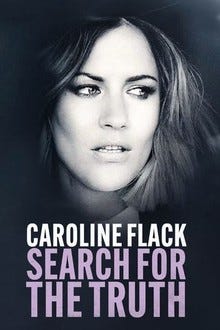
His company has successfully tapped into the streaming-era demand for distinctive, mass-appeal documentary series with high-end production values. The company boasts hit shows including Lover, Stalker, Killer for Netflix, Sky’s hugely successful Boyzone: No Matter What and the recently released Caroline Flack: Search for the Truth for Disney+.
So read on to find out about:
What docs are in demand
How to sell popular factual shows
Working with the streamers
Empowering your development team
What’s in demand
According to Freedman, the hunger for premium popular factual projects is still really strong. He admits: “We’re fortunate in one regard, that the part of the factual market that still seems to be doing well is premium, which we are known for doing.”
The producer, who co-founded Curious Films in 2018, says there is still huge interest from commissioners in true crime projects. He singles out what he calls the sub-genre of “true-con”, which are shows about con artists and deception. He points to the success of The Tinder Swindler, but also his own Netflix show The Man With 1000 Kids, about a Dutch scammer who misled mothers about the huge scale of his sperm donations.
Freedman says: “There is no one dying in the first 90 seconds or a 911 call, [but] there is a redemptive arc of the tables being turned. There’s always an appetite for those kinds of shows.”
While commissioners will always be hugely interested in major celebrity access docs, with the likes of the Beckhams or Harry and Meghan, Freedman says there is also real hunger for shows about “the dark side of pop culture”.
Interestingly, he says in an age of “social media saturation”, audiences want to go beyond “carefully curated content” and engage with something that offers “more truth and honesty”.
Freedman says his own show Boyzone: No Matter What, which explores the “true cost” of fame, is “one of the highest-rated unscripted shows in the history of Sky Docs”. His company has also made the new Disney show about the death of Caroline Flack, which sees the star’s mother investigate the final months of her daughter’s life. Outside of his own work, Freedman draws attention to the success of Discovery show Quiet on Set: The Dark Side of Kids TV.
Freedman also sees sports documentaries as a growth area as streamers become increasingly interested in acquiring sports rights. Netflix airs WWE wrestling, as well as boxing, and has just signed a deal with Gary Lineker to air his visualised podcast The Rest Is Football during the World Cup.
The Curious Films chief executive agrees projects that can straddle sport and popular culture, such as Netflix’s David Beckham series, are coveted. But he admits access to top-level sporting figures or organisations involves “some very exclusive conversations”.
Takeaways: ‘True-con’ shows are popular; audiences want to go beyond ‘carefully curated’ shows
Selling your popular factual idea
Freedman says if you’re a less-established production company trying to get a factual programme commissioned, then a sizzle tape is “really helpful”. He points out that Curious got their first break as a new company when they were commissioned to make Britain’s Youngest Football Boss for the BBC, but it only happened after they showed the broadcaster footage they’d already filmed.
He adds: “When you are trying to establish that reputation, tape is everything.”
Freedman says with “cautious funders” taking “less gambles”, it is vital for producers to “project confidence, excitement and reassurance” to buyers. He adds: “So [it’s about] confidence in the pitch, a distinctive, creative take on an idea, and knowing the story.”
When talking about true crime documentaries, he says there are a set of vital questions producers should ask themselves: “Has it been done before? Has it been done definitively before? What’s the new take on it? What’s the access or the archive or tapes that no one’s seen before? What allows you to tell the most definitive story?”
He believes if the subject of a programme is a less well-known crime, then a “more detailed” pitch may be required to show how it can be made into a “gripping story”.
Freedman says when pitching crime shows, which can have legal complications, it is vital to “know your subject” and understand the “compliance challenges”. Producers need to “give confidence to the buyer that you know how to handle that story”.
He adds that when working on celebrity documentaries, it is important to use initial “chemistry meetings” to get a sense of the untold story they are prepared to tell.
Producers should also answer the “Why now?” question when developing factual ideas. Speaking about his recent Boyzone project, he explains: “They’ve never done it before, they got together 30 years ago, and now’s the time that they really want to open up.”
Takeaways: sizzle tapes sold with confidence sell; chemistry with celebrities is vital; ask yourself, ‘Why now?’
Working with the streamers
The Curious Films boss says work is now “spread across” seven buyers. But he insists he sells his shows to streamers in largely the same way he does to traditional broadcasters, focusing on the story.
Freedman says as well as delivering on the creative side, producers working for the big streamers also need to impress their paymasters with their grip on the finances. He stresses that accomplished “financial reporting” and proper management of a production are “really highly valued” by these companies.
He says part of this is the ability to be “pragmatic” in the “unpredictable world” of documentaries, adding that the “best stories” involve “unpredictable people”.
“On some of these projects, when they’re investing lots of money, they want to feel that investment is being managed in the right way,” he points out.
He adds: “One piece of advice I got when we did our first Netflix feature three or four years ago is to deliver them a great service, obviously on creative, but also on production and finance.
“I think that’s really important, to respect all the different forms of delivery, and that will hopefully help cement relationships for future business.”
With about 70 per cent of his company’s slate with streaming services, Freedman says a key tip for dealing with commissioners is ensuring the buyer feels they’re involved in shaping the show.
He says: “It’s important, especially maybe for the streamers, when it’s something more premium and there’s more money being spent on it, to allow the buyer to be able to meaningfully input creatively into what the project’s going to look like.”
This can be a balancing act between taking enough into the buyer to sell the show, but also leaving enough space for them to feel they can help “sharpen” the idea. Indies should also consider how they can help give a commissioner the tools they need to re-pitch the idea within their own companies, to the “person at the top”.
Freedman believes if producers are strategic about spending and resources, then the “premium” feel of US streamer documentaries is achievable on shows for UK broadcasters. He points to his own Channel 4 two-parter Shoot to Kill about the killing of Jean Charles de Menezes.
He adds that the company’s work with the UK public service broadcasters is still “really important”, forming part of a “mixed ecology” for Curious. Significantly, the British broadcasters allow producers to make money from international rights in a way that Netflix and some other streamers do not.
Curious has made a range of shows for public service broadcasters, including Reclaiming Amy for BBC Two and Paula for Channel 4. Other shows include Confessions of a Brain Surgeon and Making Sense of Cancer with Hannah Fry, both for the BBC.
Freedman explains: “That’s how we’re trying to tackle the slowdown, staying relevant with all the buyers. They’re all doing less, so you’ve got to be working for more of them.”
Takeaways: good financial reporting and management are vital; be aware of buyers’ desire for creative input; work for more outlets
Empower your development team
For Freedman, who co-founded Curious with Charlie Russell, one of the most vital aspects of a thriving production company is “having a great development team”.
He advises that you build a group of people who “get the brand” of the company and enable them to have their own individual relationships with buyers.
“I think exposing the development team to buyers as well is really helpful,” he says. “I hear anecdotally maybe some development teams don’t meet too many commissioners, but I think that’s really important, that the development team have their own relationships or are active in pitches.”
He adds: “We want our development team to have that exposure to buyers, to sharpen those instincts really.”
“We’re obviously involved in every aspect of the company, but when you’re servicing stuff in production as well, you need to know that the development team are thinking about things in the right way,” he says.
Freedman says it’s important to analyse your prior successes when coming up with new ideas. He says that when developing new shows, the company has looked at the success of Lover, Stalker, Killer for Netflix and examined why it worked. In addition, the company does analytics not only in the development stage but also in pre-production.
Giving an overview of the popular factual market, Freedman reckons there is “cause for optimism” in the premium documentary space, as big platforms “have seen what numbers these stories can bring to them”.
Takeaways: ensure your development team knows your buyers; keep an eye on analytics throughout the process