


In the current climate, establishing a new indie isn’t easy, particularly a ‘real’ or ‘true’ indie.
But Christine Gernon and Emma Strain are doing just that in Manchester with the official launch of Blue House Productions and the hiring of development producer Shaunna O’Brien from Sister.
It helps that the pair co-executive produced BBC hit Small Prophets, along with its creator Mackenzie Crook, which included Strain raising pivotal finance for the project.
Another factor us that Small Prophets is getting a wider audience on Apple TV from 7 October plus the pair have a stellar track record of working on some of TV’s most-loved comedies, including Gavin & Stacey, Absolutely Fabulous, Miranda and the US version of Ghosts.
With streamers now more focused on commissioning comedies due to viewers’ appetite for re-watching shows and the genre’s clipability and lucrative long tail on socials and YouTube, there are more opportunities for comedy specialists.
However, as Indielab revealed recently, many indies’ reserves are being squeezed, so why has Blue House decided to go down the real indie route?
In this week’s Indie Hustle, the company’s founders reveal their thinking and share the secrets of their success including:
Their rationale for being a true indie
The strategy for Blue House in the UK and the US
How Strain unlocked key funding for Small Prophets
Their plans, post-Small Prophets

Being a true indie
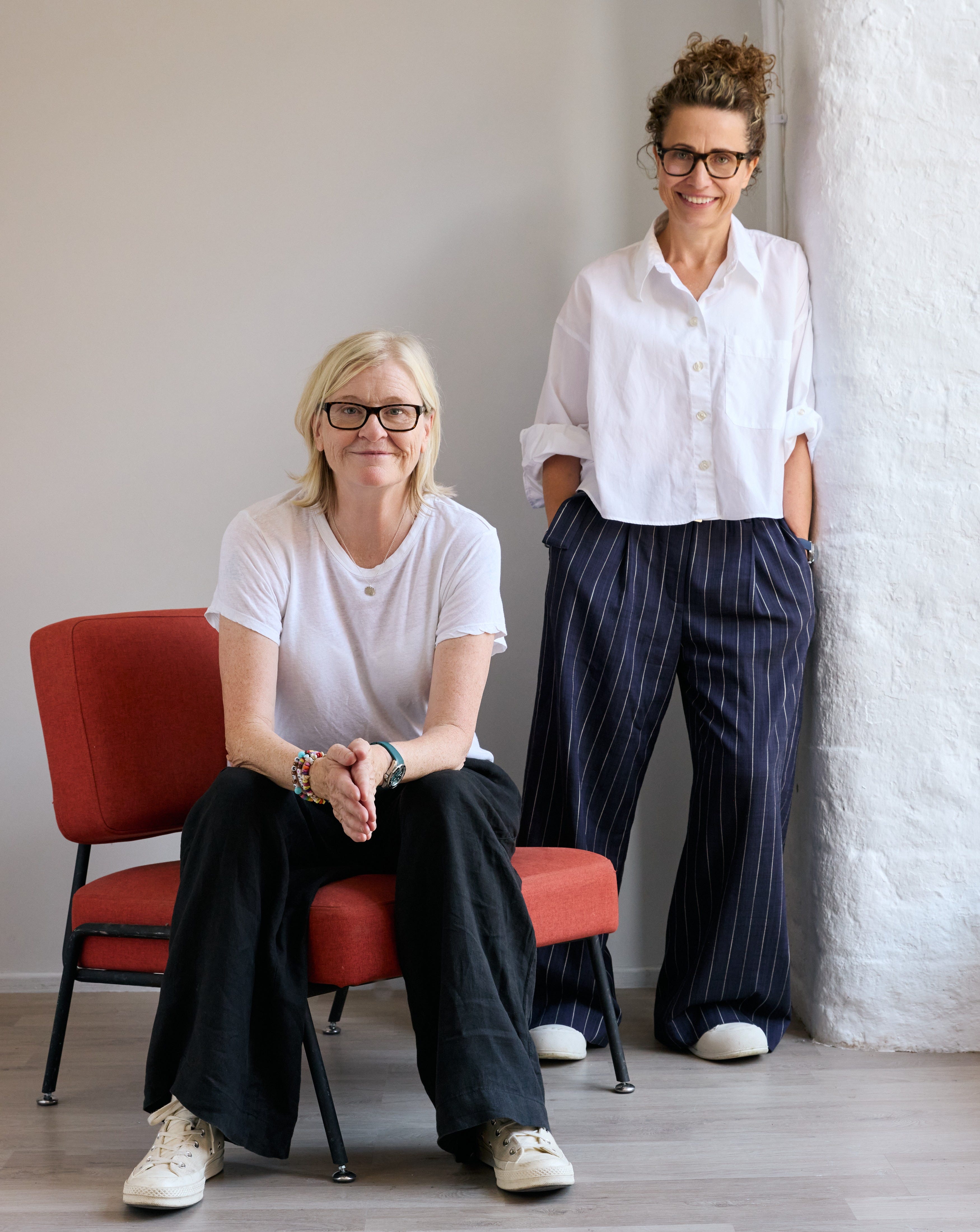
Blue House Productions founders Christine Gernon and Emma Strain have a wealth of experience on both sides of the Atlantic.
Gernon has directed shows ranging from One Foot in the Grave to Absolutely Fabulous and executive produced and directed Gavin & Stacey: The Finale, which aired on Christmas Day 2024 and was watched by 20million people.
Her US credits include New Girl, Black-ish, The Goldbergs, and Speechless for ABC and she’s currently directing Ghosts on CBS and St Denis Medical on NBC.
Strain produced hit series Miranda for the BBC and moved to the US as BBC Studios [Los Angeles] vice president of scripted where she was part of the team that sold local versions of Miranda and This Country (Call Me Kat and Welcome to Flatch, respectively).
Although Blue House existed as an entity on Companies House and through which they ran their involvement in Small Prophets, it is only now they’ve properly launched it as a full production company with its first hire, Shaunna O’Brien, whose credits include The Split Up, American Horror Story and 9-1-1.
The company is being funded by organic growth: following the success of Small Prophets, which is currently the BBC’s biggest new scripted launch of the year, and Gernon’s US directing work, Blue House has a healthy balance sheet and the pair say now feels like “we’re going into our next chapter.”
Strain explains that with Small Prophets, “it feels like the right time in terms of that’s our proof of concept as it were: [namely] a very small, very niche, very hard-to-get-made-in-that-time programme that’s gone international. We’ve gone all the way to Apple international, so it’s all just great!”
Gernon acknowledges some people might ask why they’ve not gone in with backing from a bigger entity but says a key component is about having the freedom to retain creative control.
Also, Strain says, the pair wanted to establish a production company that has “the environment that we like to work in” and it’s named after a blue house in the Lake District which has the kind of “quiet, warm, safe” environment they “always wanted to create” for their own production company.
Gernon adds: “I’ve worked in a ton of production companies - some great, some less [and] sometimes you feel like a tiny person in this massive company and I think what we want is to make it feel much more like a smaller, cosier and nice place to work.”
Their plan is simple: to ”back talent” and “let them go off and make the shows that they want to make…[and] that we enjoy watching; without too much interference.”
They did “look at funding” and going with a big outfit but decided “we didn’t want the pressure” of the external financial expectations, so chose the real indie model as “it feels very much like we can do [things] our own way and make what we want to make.”
Strain adds that “understanding the commercial market the way we do… really helped us make the decision to be fully independent.”
Takeaways: you can fund projects organically through other work to remain independent; external funding can affect what you can make; think what kind of atmosphere you have at your company
Blue House’s transatlantic strategy
‘Comedy - made in Manchester’ is the tag line of Blue House Productions, but Gernon and Strain are developing shows for the UK and the US and work across both countries.
As the indie’s website proclaims: “The Northwest is our home. The work goes everywhere.”
Unsurprising given the pair’s experience.
On the commercial front, Strain points out that “having spent the time that we’ve spent” in the US has given the pair the “confidence” and “really encouraged” them to launch Blue House.
She jokes her time at BBC Studios was virtually “a PhD” in putting together packages to reformat UK shows, opening “relationship doors” and understanding the “commercial side of the business.”
But the pair are also very established in Manchester; so much so that Strain is part of the task force Andy Burnham put together to get funding for the city and says they count themselves as “proud Northerners”.
“We are very much a Manchester-based company, but we still have all these relationships in America”, explains Strain. “On our slate we have international writers as well as...”
“...someone from Salford,” finishes Gernon. “That’s the joy of it!”
Strain goes on to advise that some people might “feel that being out of London is a boundary… or limiting in some way, but it absolutely isn’t.”
“We’re based here, but our shows don’t have to be,” agrees Gernon, adding that they’ve done lots of meetings with local writers: “I think we’re very much looking for local people and to make shows in and around Manchester and the northwest, but we’re also looking for any you know like we said we were we’re doing stuff with Americans. I think fundamentally, it’s just whatever we like.”
Takeaways: regional links can pay dividends; work with international as well as UK writers
Unlocking funding for Small Prophets
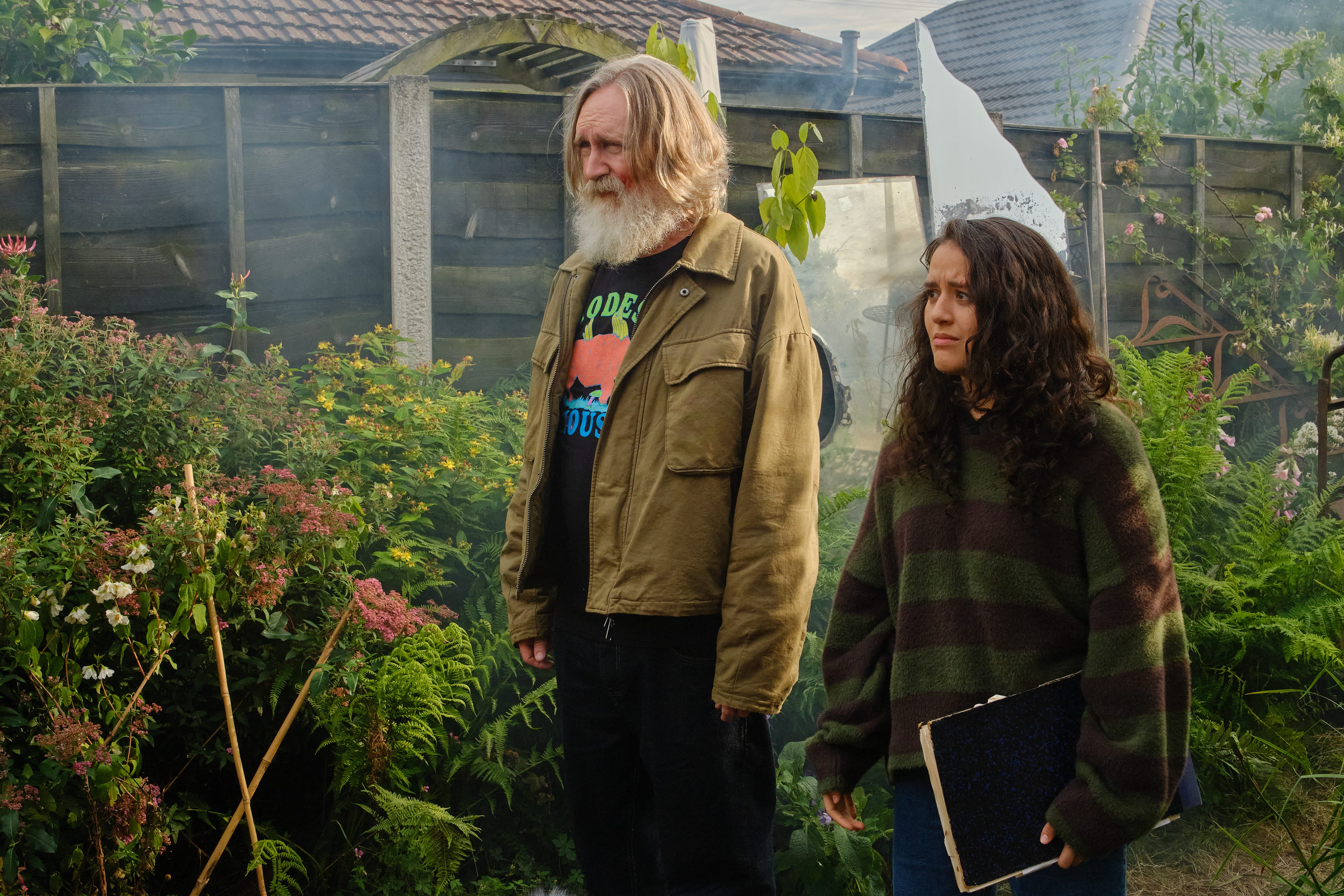
It might be popular now but Gernon says Small Prophets was “a hard sell”.
“As I’m sure you can imagine, because how do you picture a show about a guy who grows prophesying spirits in his shed? You know, everyone looked at us as if we were a bit mad.”
She also credits the modest Strain for being “very tenacious” helping to secure funding for it from distributor Sphere Abacus, despite the fact they were mostly doing factual-based distribution at the time.
Strain explains that “might have put people off asking” Sphere, but, “I think I wasn’t afraid to just knock on all the doors. I just really knew it had to be made. It wasn’t an easy time.”
“There were a lot of people not backing it because it was quite a difficult pitch,” adds Gernon.
“Nobody was sure it would sell” and their American connections were “coming back, going, ‘Nobody’s really sure what this is… it was quite tricky.”
But she says the pair were “confident that it should be made…we were so excited about the show” and backing Crook’s creation of it for Pearce Quigley to star in.
“This talks again to us wanting to back the vision of the creators,” reminds Strain.
So she tried Sphere Abacus, explaining about Sir Michael Palin’s character and “we gave them confidence that we had an understanding of what the global market requires and where they could punch through perhaps on certain elements.”
That included the use of the animation of the Homunculi in the series by the same UK puppet company that Tim Burton had used.
Sphere Abacus wanted to start getting into narrative so Strain’s timing, polished pitching and persistence paid off and “now Apple have bought it!” says Gernon, which vindicates theirs, Crook’s and the production team’s vision.
Takeaways: persistence pays off; highlight elements of your show which have global reach; which areas might distributors want to get in they don’t currently have a presence in?
Plans post-Small Prophets
Blue House is not working on the second season of Small Prophets.
Gernon explains that instead they want to focus on their new projects.
“We loved making the show. It was so good creatively. But…we’ve got quite a few things that we want to do and start developing again, something new.”
Strain adds: “We’re so proud of the team we helped put together [and] the fact it was all shot in Manchester. We’re incredibly proud of what we’ve all made together. We might be a little bit biased, but we do think it’s Mackenzie’s best work. It’s certainly the most watched. And we couldn’t be prouder to have been part of that.”
Going forward they are looking at shows that also have “authenticity” of voice, as Small Prophets did.
Strain explains: “I think that excites us, whether it’s a small and niche kind of quiet authenticity or a big broad Modern Family type authenticity. It just speaks to us. That’s what our slate is…we’ve got both ends of the spectrum.”
At festivals Gernon says people are now asking them, “’What’s the next Small Prophets?’” but she points out it is unique. So it’s about [finding] the next Small Prophets, “it’s about finding the next thing that we find funny’.”
But the success of Small Prophets means “that we’ve hired a full time employee, which is great to be able to do that and expand the company and the vision…whilst at the same time staying quite small, boutique and agile.”
That includes on digital where “we might do some blaps and that sort of thing” and where O’Brien will have input with her more youth-skewing insights. “There’ll be more to come on our developments. We’ve got a couple of things pitching for” which they may announce soon. She also says they’re keen “to do a multicam” comedy plus comedy drama: “There’s nothing off limits really and that’s the exciting thing.”
Gernon is delighted comedy’s back in favour with commissioners as they realise it can bring both commercial returns and also families together.
“Obviously the last couple of episodes of Gavin and Stacey have been extraordinary. The feedback I’ve had! People would send me pictures of their entire family on Christmas Day watching the show.”
She also points out that on streamers older comedies like Friday Night Dinner still top the charts.
“You can watch them again and again in a way I really don’t think you can [with] dramas. Maybe because they’re only half an hour but also I do think it feels like people are starting to realise how watchable comedy is and how it does translate.”
Takeaways: don’t be afraid to move on from a hit; authenticity of voice is vital; comedy can travel
Sponsorship? If your organisation would like to find out about sponsorship and advertising opportunities, email hello@theindiehustle.com
