


Amandaland producer Merman has created an enviable footprint in the UK and the US.
A true indie, its structure, company culture and ethos have allowed it to be agile and its hard work aligning its British and transatlantic offices has paid off, with a number of projects in the pipeline.
As well as working with streamers such as Apple and Netflix, co-founder Sharon Horgan has a first-look deal with HBO, which has led to the eagerly-anticipated Youth, out this autumn.
But in addition to premium scripted, Merman has also built up a reputation for collaborating with new young talent and for making prestige audio drama under the Arc brand on BBC Sounds. Its latest is Lena Headey’s gripping drama Intimacy and that audio strategy is paying dividends - more on which later.
But how has it expanded its reach, in the UK and abroad, and its branded content, without losing its distinct identity?
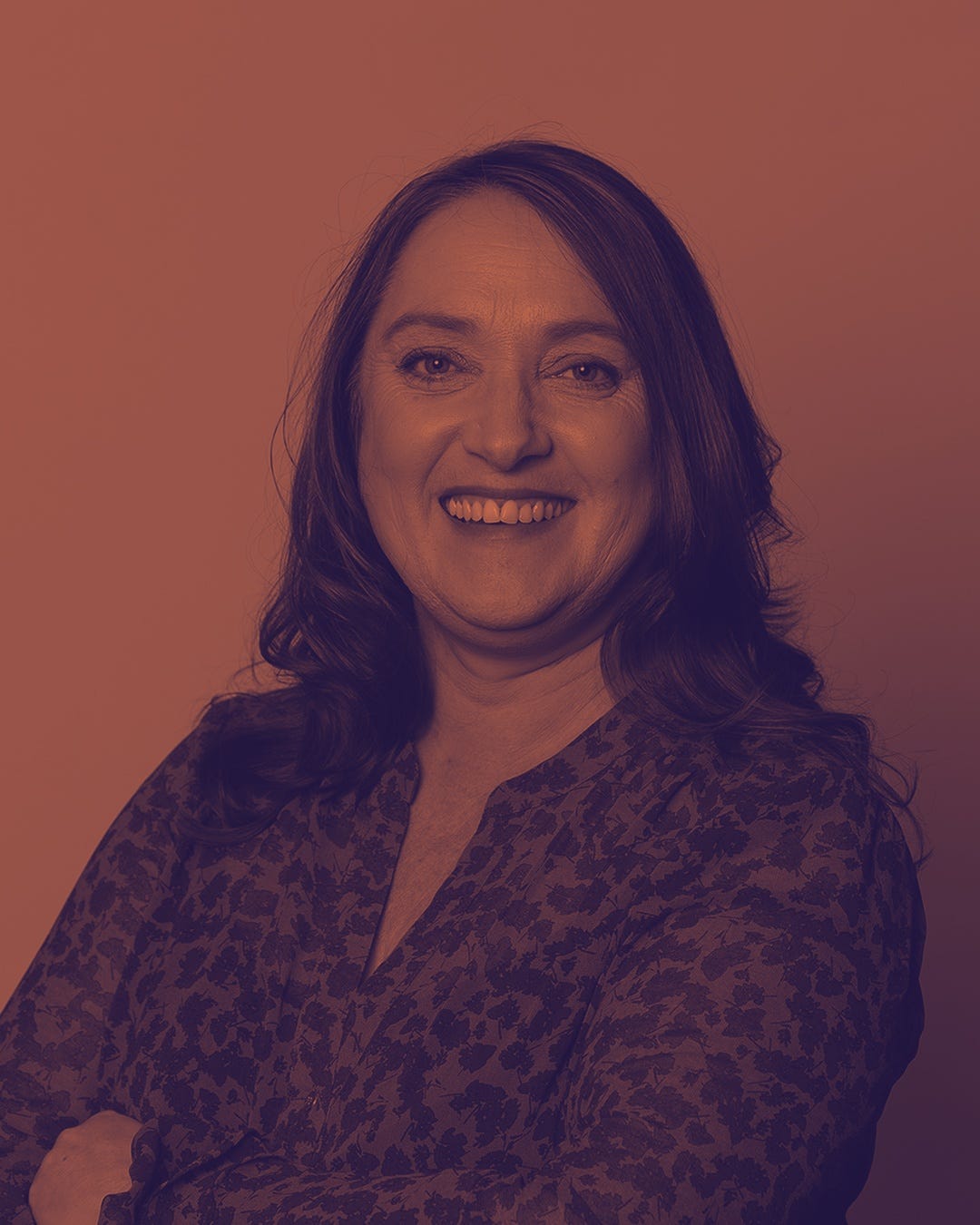
This week Merman’s managing director Rebecca Parkinson reveals the playbook for Merman’s success, one element of which is, “we have grown solidly and carefully. As we are a true indie the key has been to have a small core team and expand and contract when necessary, there’s only 13 of us and a mix of full and part-time.”
For The Indie Hustle this week we examine how Merman has diversified across TV, digital and audio, whilst expanding into the US.
So read on to discover:
Merman’s transatlantic expansion
Merman’s audio-to-TV pipeline
Merman’s monetisation and branded models
Why talent and culture are the key to survival

The transatlantic expansion playbook
Expanding into the competitive US market requires collaboration and co-operation but also talent pooling.
Whilst Merman’s UK and US offices operate under distinct heads of scripted - Faye Dorn in the UK and Stacy Greenberg in the US - the core leadership oversees a unified creative pipeline.
Managing director Rebecca Parkinson explains: “We’ve been working hard to align our US and UK offices so commissioning and project opportunities are maximised and we work as a team to bring all of our experience together.”
She stresses that although Dorn and Greenberg, “very much lead in their territory, it’s great to have the collaboration in the background.”
There are differences in operations within the two territories for the true indie: “Operationally the US has a slightly different model as we work with studios and are not handling day to day production but we’re not back seat creatives - our team were on the ground…on [Netflix comedy thriller] Vladimir ensuring the Merman tone was always present and supporting our fantastic showrunner Julia [May Jonas].”
Merman currently has “multiple drama developments with streamers” says Parkinson, as well as having been in production with HBO on Youth, which stars Sharon Horgan and is due on HBO Max next month. Horgan is also exec producing Apple TV+ original I’m Glad My Mom Died through Merman.
Merman’s MD explains that “while the business grew we took opportunities such as first look distribution deals and that has moved into a first look with HBO. But as Sharon has previously said this doesn’t hold us back in any way, we have a great creative relationship with HBO and they’re very clear and quick so our development process isn’t restricted in any way.”
Being pragmatic is vital in the current market: “Working with streamers can mean you are effectively a production services company and the ideal is of course to focus on true commissions to benefit from production fee and back end but it’s a challenging time in the industry so it’s also about finding the right home for a project which is a creative decision.”
As is diversifying: Merman now has a label with ex-Pulse Films exec Lucas Ochoa, called Siren and “which has more of a genre focus” but “we always have the Merman tone at the core of our projects.”
Takeaways: build slowly and carefully; if you open an outpost abroad ensure you align and collaborate across territories; be flexible to land the right commission; diversify under new labels
Audio to TV pipelines
Audio drama is increasingly serving as a development lab for prestige television, allowing indies to test complex narratives and build writer relationships at a fraction of the cost.
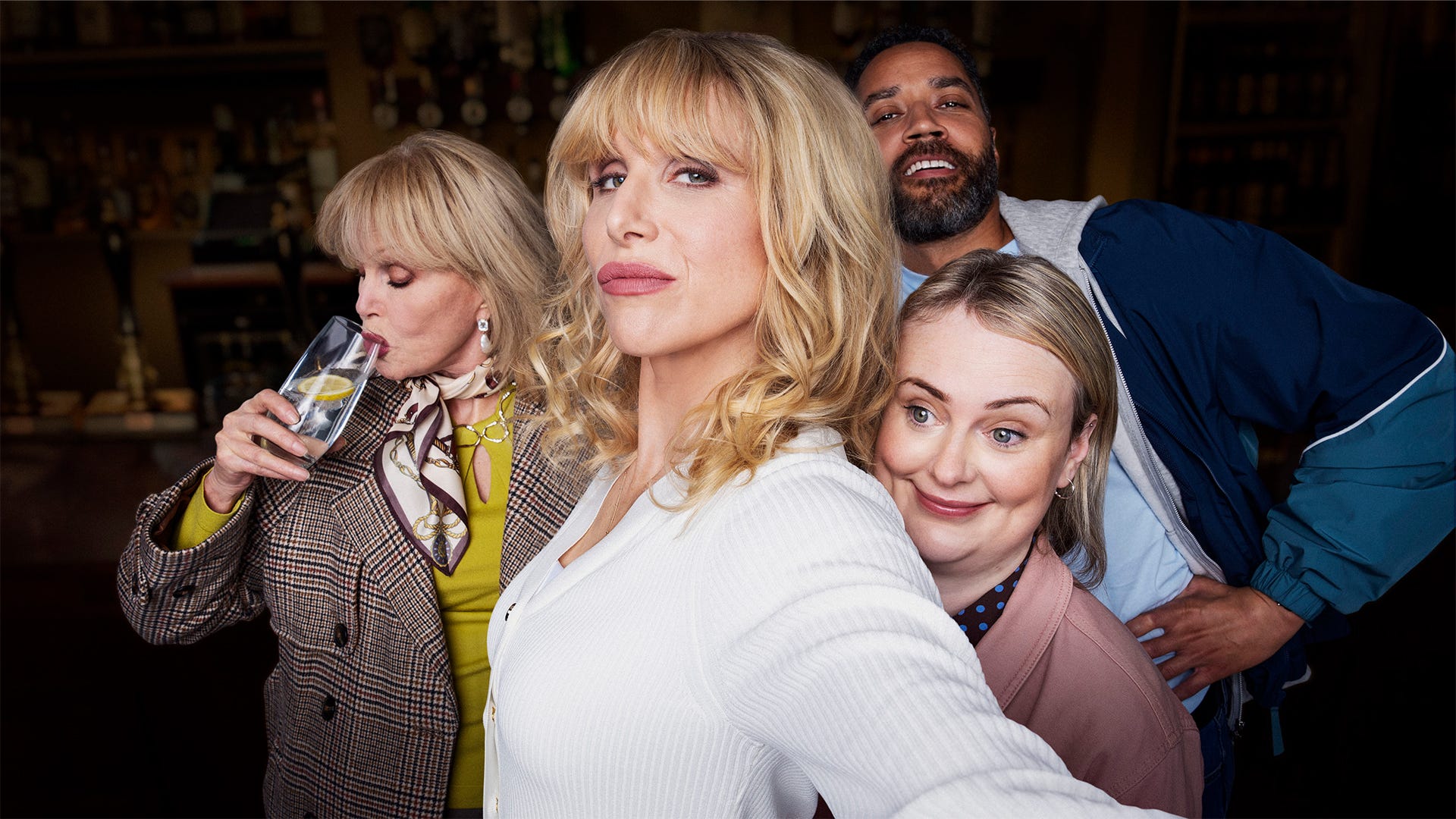
Following success with BBC Sounds’ People Who Knew Me (starring Rosamund Pike), Merman has doubled down on its audio strategy, using the Arc brand on BBC Sounds to establish an easily-recognisable ‘kitemark’ of quality for listeners, which Lena Headey’s show Intimacy sits under.
“Our audio strategy is incredibly important to us”, explains Parkinson - who joined the indie in 2018 as head of production - particularly in creating value long-term.
“People Who Knew Me is a great example of working with an emerging writer, producing an excellent series and using that as a launchpad for potential TV adaptation. They are obviously different fields but it’s a great crossover and a way to support a writer into working on longer form drama where story, plot and characterisation are enhanced and made much more complex to support the duration.” She adds: “Intimacy and another audio production we have just completed for BBC Sounds were chosen exactly for this reason - genuinely exciting ideas which we are very proud to have produced and absolutely have that Merman tone of having something to say.”
The rationale for having the shows under the Arc brand is it, “gives that indication of Merman so a listener will easily find our other audio dramas. We also have had incredibly hard working teams bringing exceptional talent on board - so Sharon and the Merman brand have been very helpful indeed in securing these.”
“Working on a lower budget such as the audio dramas is clearly incredibly challenging and not an immediately profitable endeavour but in the long term we see that as an investment in talent and the company.”
The strategy is paying off. Parkinson says Merman hopes, “we’ll be bringing these audio dramas to a TV audience in the future but we are not just exploring the drama space and have another regular podcast in the works so watch this space!”
Takeaways: use low-cost formats like audio to incubate long-form TV IP; leverage star talent and strong brand identity to elevate audio projects; audio can create long-term value through talent investment

Monetisation models and branded
How does Merman approach content strategy and monetisation across the different media formats such as traditional TV, streaming platforms, short-form digital IP, audio dramas and films?
“We don’t have any hard and fast rules,” is Parkinson’s response.
“On the whole our focus is not on co-productions but sometimes it’s hard to say no if the project is right. And every single project brings its own monetisation challenges - we’re certainly aware of how long it takes to recoup a distribution advance and see profits flowing through!”
She adds: “Commercially we’re still true to our scripted comedy background and very happy to be navigating the challenges of PSB financing with excellent relationships such as the BBC and Lionsgate.”
Sister company Merman Branded was set up in 2017 to bring in new revenue streams.
But the siblings often work together.
Parkinson explains: “While they [Branded] represent commercials directors, we are always looking at ways to cross pollinate.
“Van Wife for Women’s Aid was an excellent example, written by Ailbhe Keogan who we worked with on Bad Sisters, and directed by Rachel Stubbings.”
It was exec produced by Merman Branded along with Horgan and Dearbhla Walsh, the executive producer/director on Bad Sisters and was part of the Spot The Flags campaign, which brought attention to spotting the red flags of coercive, controlling and abusive behaviour.
“Bringing our talents together is really fruitful”, agrees Parkinson.
Takeaways: There is no ‘one size fits all’ model; collaborate across branded and non-branded divisions
Talent and culture are key
Unsurprisingly, with Horgan at the helm (she founded the company with Clelia Mountford in 2014) Merman’s focus on talent comes from the top.
Parkinson explains: “As a talent-led indie we are always focussed on ensuring our talent relationships are incredibly strong and respectful and having brilliant creatives returning to us with their projects is a delight and not something we take for granted.”
“The talent relationships we’ve built are absolutely critical and are so important for us all.”
This applies to the small core team that works for Merman.
“Our culture is also really important and we have a really hardworking team who are smart, kind and funny!”.
Its approach has paid off in the current, more barren production landscape.
Parkinson has these rallying words: “These are tough times but being open to finding creative and financial solutions is key - and being small and agile has certainly helped us navigate this, along with diversifying the content we produce.”
Takeaways: value your talent relationships; create a culture people want to be part of; small, agile true indies can diversify and thrive
Hiring? We feature paid job listings, to book a listing, email hello@theindiehustle.com
Sponsorship? If your organisation would like to find out about sponsorship and advertising opportunities, email hello@theindiehustle.com